Pace Yourself: Building Stamina on Longer Walks
You don't need to rush. Learn how to plan realistic distances, pace your energy, and take meaningful breaks that actually refresh you instead of making you stiff.

Why Pacing Matters More Than Distance
Here's the thing about longer walks — they're not actually about covering more ground. They're about feeling good while you're doing it, and being able to move the next day without regret.
Most people tackle distance the wrong way. They start fast, burn through energy by midday, and then either push through pain or cut the walk short. But there's a better approach. It's built on three fundamentals: knowing your baseline, matching your pace to the terrain, and taking breaks that actually work.
You don't need to be young or super fit to walk longer distances. You need to be smart about it.
Start With What You Know
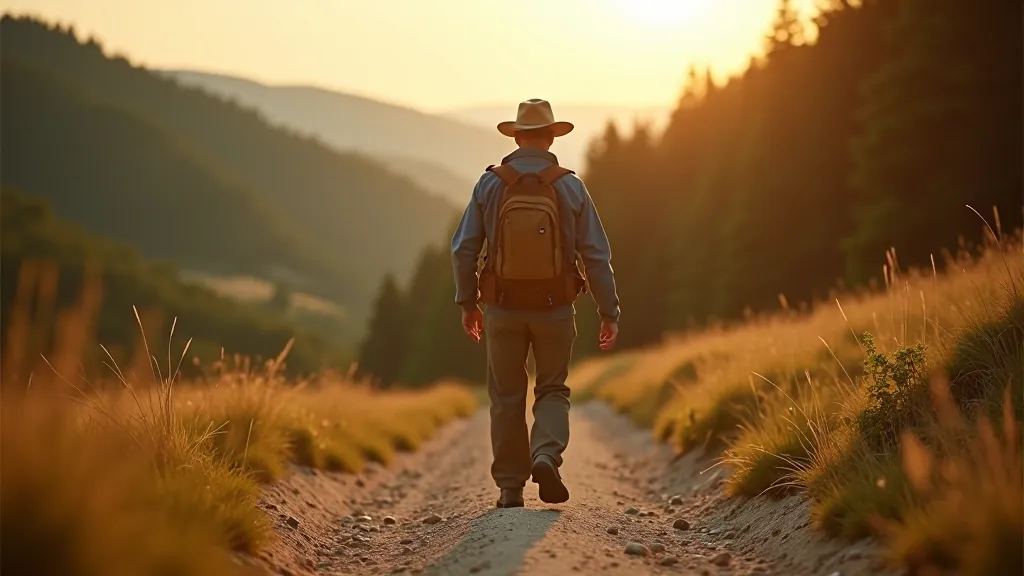
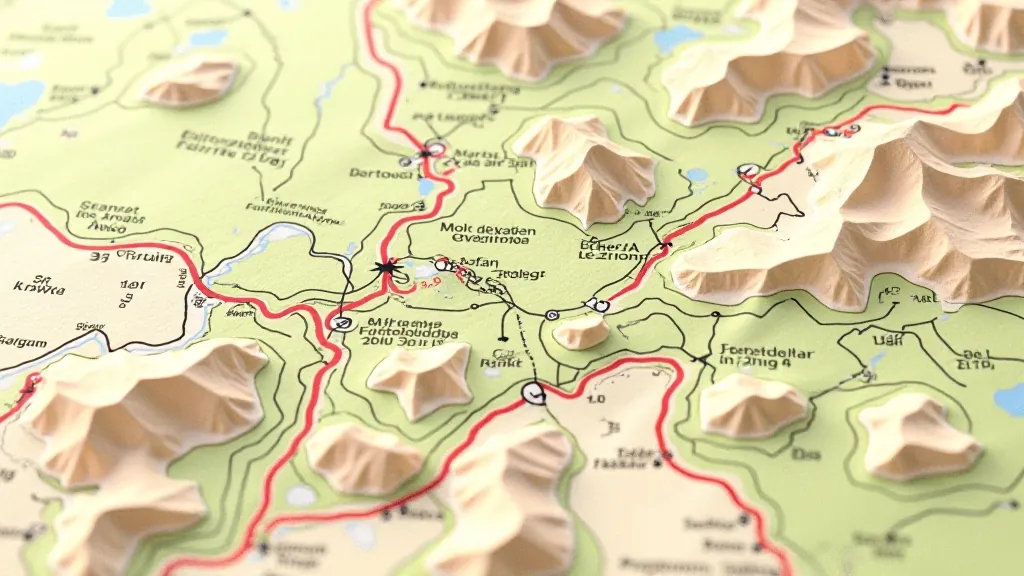
Before you plan an 8-kilometer walk, you need to know what you can actually do right now. Not what you used to do five years ago — what you can do today.
Find your baseline: Spend a week doing your normal walking routine. Maybe that's a 30-minute neighborhood walk, or a 5-kilometer trail. Whatever feels comfortable without being tiring. Write down the distance and how you feel afterward.
This is your starting point. Not your goal — your actual current capacity. It's not about ego. A realistic baseline means you can build from something real instead of guessing.
From there, you can gradually add distance. Most people can add about 10% per week without problems. So if you're comfortable with 4 kilometers, next week try 4.4 kilometers. The week after, 4.8 kilometers. Small increases. This is how you build actual stamina instead of just hoping you'll manage.
The Real Secret: Consistent, Conversational Pace
Forget what you've heard about "cardio zones" and heart rate targets. For longer walks in Český ráj, there's a simpler test: Can you have a conversation?
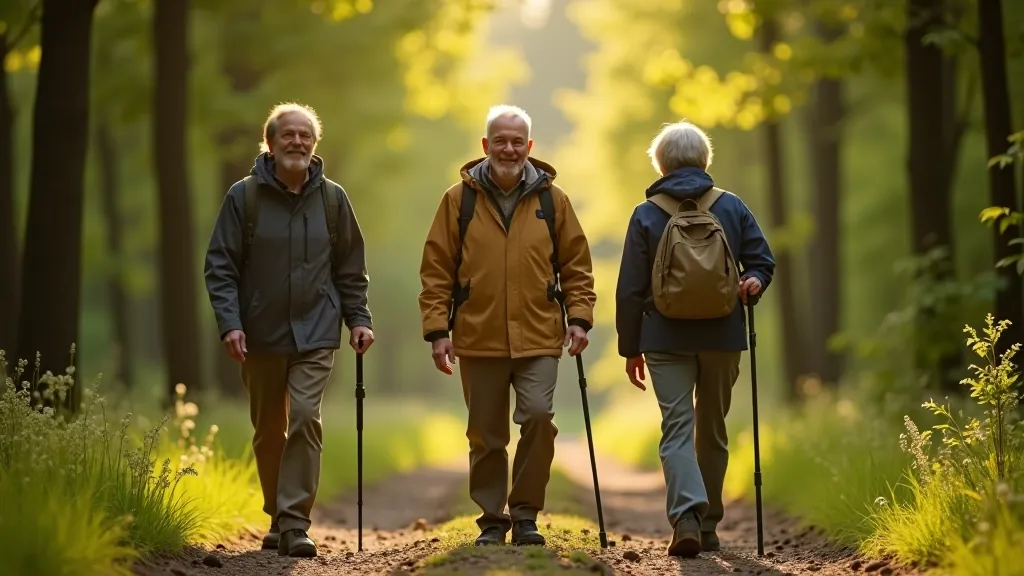
If you're breathing so hard you can't talk in sentences, you're going too fast. Seriously. This isn't slow — it's the pace that lets you actually enjoy the scenery while building endurance. You should be able to say a few sentences without gasping. If you can sing the entire chorus of a song? You're probably going a bit slow, but that's fine too.
Start Easy
First 15 minutes should feel almost leisurely. Your body's warming up, not warming up to work hard.
Find Your Rhythm
Middle portion should feel steady. You're moving with purpose but not straining. Conversational pace. About 4 to 5 kilometers per hour on flat terrain.
Ease Down at the End
Final 10-15 minutes, slow down. You want to finish feeling like you could do a bit more, not completely exhausted.
Breaks That Actually Work
This is where most people go wrong. They either don't take breaks at all, or they sit down and stiffen up completely.
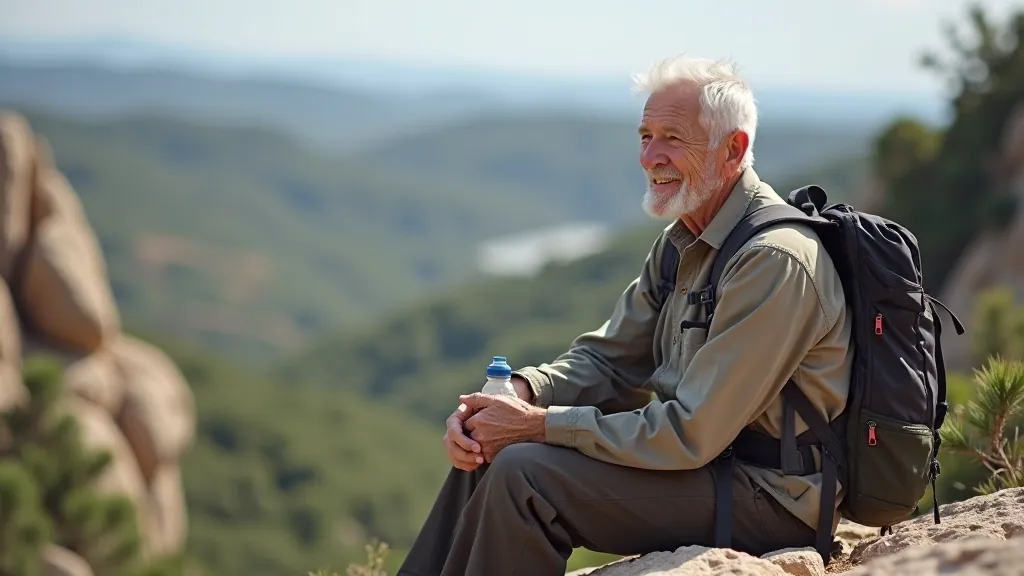
A proper break isn't about stopping completely. It's about active recovery. Sit for 10-15 minutes, but keep moving a bit. Stretch your legs gently. Drink some water — not too much at once, just enough to stay hydrated. Have a small snack if you need it. A few almonds or a piece of fruit works better than nothing, which works better than trying to eat a full meal.
Every 60-90 Minutes
Don't wait until you're exhausted. A 10-15 minute break every hour keeps you fresher than pushing for two hours straight then collapsing.
Find a Seat
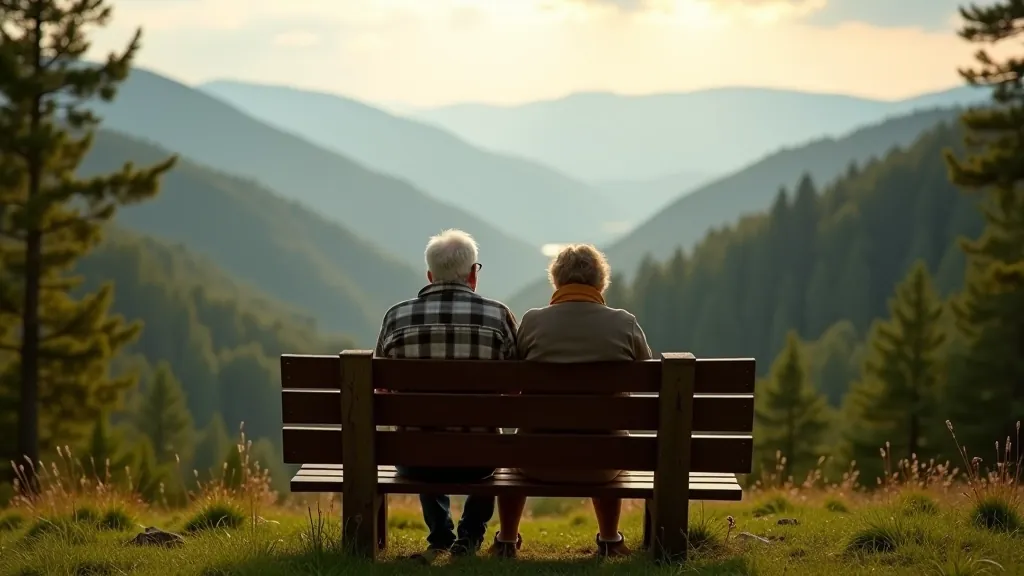
In Český ráj, there's usually a rock, bench, or spot to sit. Actually sit — standing around gets uncomfortable fast. But don't lie down completely or you'll get stiff.
Stretch Gently
Five minutes of gentle stretching during your break keeps muscles from locking up. Nothing extreme — just reach toward your toes, lean against a tree lightly, rotate your shoulders.
Adjusting for Terrain and Weather
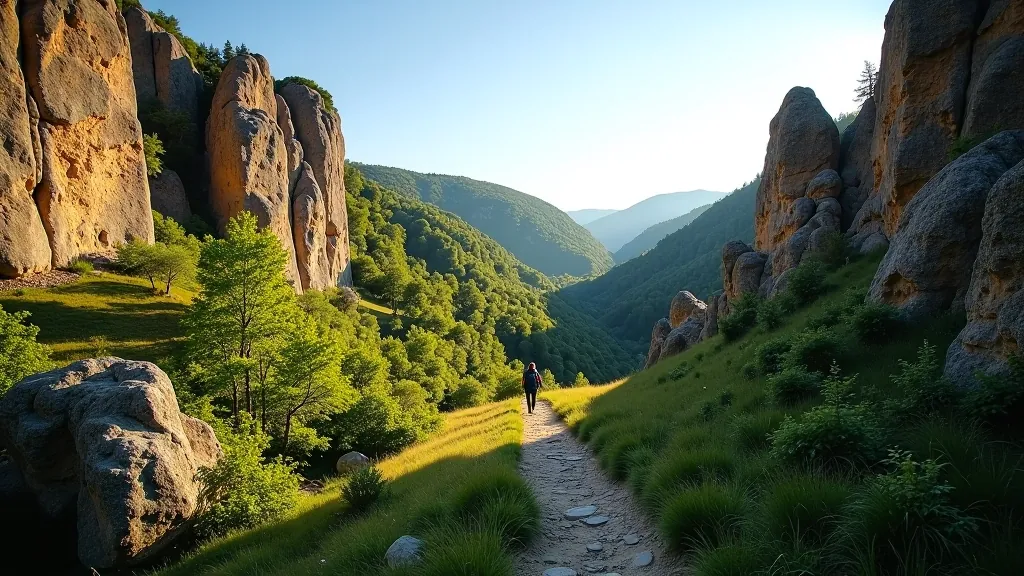
Český ráj isn't flat. The sandstone trails wind up and down, and that changes everything about pacing.
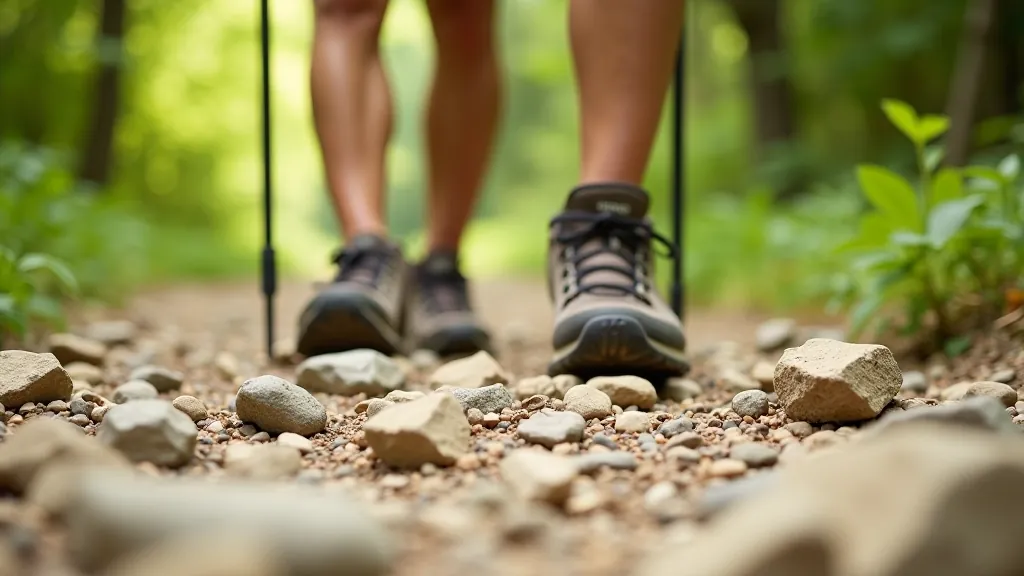
On climbs, you're not trying to maintain the same speed. That's how people exhaust themselves. Instead, slow down deliberately. A steep section at 3 kilometers per hour is fine. Your conversational pace test still applies — you should still be able to speak in sentences, just shorter ones. On descents, resist the urge to speed up. Downhill puts stress on your knees and ankles. Controlled descent at a modest pace saves energy and keeps joints healthy.
Weather matters too. Heat and humidity sap energy faster than cool conditions. Wind affects how hard you're working. Rain makes trails slippery and requires more concentration. Build in extra time and extra breaks when conditions aren't perfect. It's not weakness — it's smart hiking.
Building Real Stamina Takes Time — And That's Okay
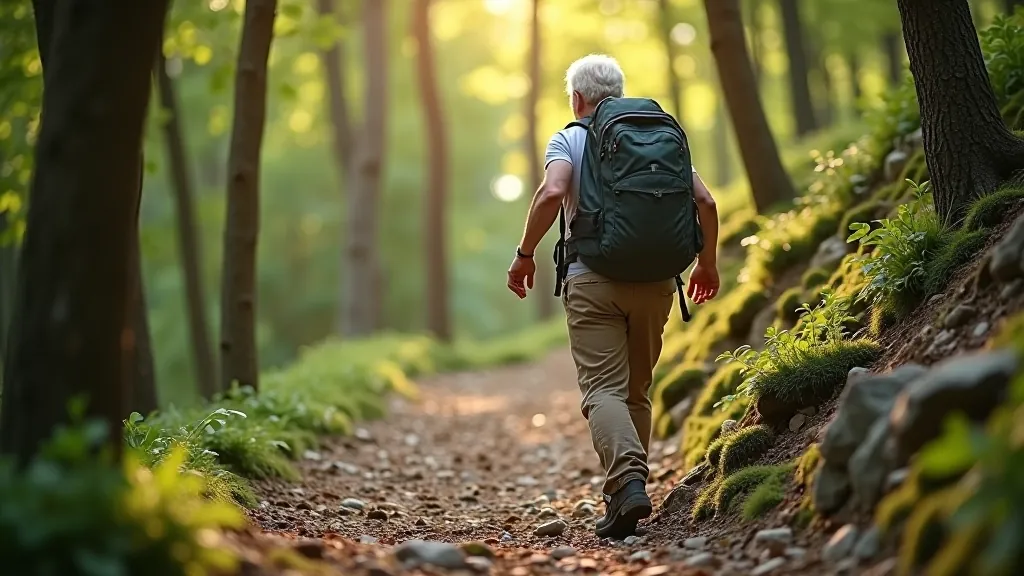
You're not training for a race. You're building the ability to walk longer distances and actually enjoy them. That takes patience, but it's worth it. In a few weeks of consistent practice, you'll notice you're not as tired at the end of walks. In a couple of months, distances that seemed impossible become routine.
The key is consistency and listening to your body. You'll have good days and harder days. That's normal. The point is that you're moving at your pace, on your terms, and getting stronger as you go.
Start with what you know. Keep your pace conversational. Take breaks that actually refresh you. Adjust for terrain. Do that for a few weeks, and you'll be surprised what you can handle.
Disclaimer
This article is informational only and isn't a substitute for personalized medical advice. If you have existing health conditions, joint problems, or haven't been active recently, consult with your doctor or a physical therapist before starting a new walking routine. Everyone's body responds differently to exercise — what works for one person might not work for another. Listen to your body, respect its signals, and progress at a pace that feels right for you.